Lighting for Safety and Comfort
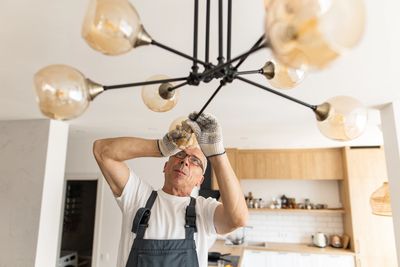
Good lighting helps you see clearly, move confidently, and avoid tripping hazards. As our eyes age, we need more light to see well—so bright, even lighting is one of the best home safety investments you can make.
3 Key Considerations
Night Lights
Overhead / General Lighting
Overhead / General Lighting

- Install motion-sensor night lights in key areas:
- Along hallways between the bedroom and bathroom.
- Near bedside tables.
- Inside bathrooms, especially close to the toilet or sink.
- Choose soft, warm-white bulbs (2700-3000K) so the light does not glare or disturb sleep
- Keep night lights at floor level - this helps you see the floor, pets, and furniture edges
Overhead / General Lighting
Overhead / General Lighting
Overhead / General Lighting
- Use bright, evenly distributed ceiling lights in every main room.
- Avoid creating bright-dark contrast; for example, a brightly lit kitchen next to a dim hallway can be disorienting.
- Recommended brightness:
- Living room / Bedroom: around 30–50 lumens per square foot
- Kitchen / Bathroom: around 50-70 lumens per square foot
- Use LED bulbs rated 800-1,100 lumens (equivalent to 60-75 W incandescent for most rooms.
- Choose bulbs labeled "soft white" or "daylight" - these are easy on the eyes and show color contrast well.
Task Lighting
Overhead / General Lighting
Task Lighting
- Lighting for Specific Activities:
- Kitchen Counters: Bright under-cabinet lighting show cutting surfaces clearly
- Reading areas: Adjustable lamps next to chairs or beds; aim for 450-800 lumens at reading level.
- Bathrooms: Place lights on both sides of the mirror, not just above it, to reduce shadows and glare.
- Stairs and landings: Install lighting directly above stairs or on wall sconces to clearly define each step.
Living Room / General Areas

- Overhead lighting plus task lamps for reading or hobbies.
- Dimmers to adjust levels throughout the day.
- Avoid dark corners - add accent lighting or portable lamps if needed.
Entryway

- Bright overhead fixture plus a keyhold or porch light )preferrably motion-sensor or dusk-dawn)
- Kee[ pathway lighting outside for front and back entries - small solar path lights work well.
Kitchens

- Bright, glare-free overhead lighting.
- Under-cabinet lights for counters and sinks.
- Avoid shadows or overhanging cabinets that darken workspaces.
Bedroom
- Bedside lamps reachable without twisting or standing.
- Night light or motion lights near the floor and along the route to the bathroom.
- Avoid sudden changes in light when turning lamps on or off - soft-start LEDs can help.
Bathroom
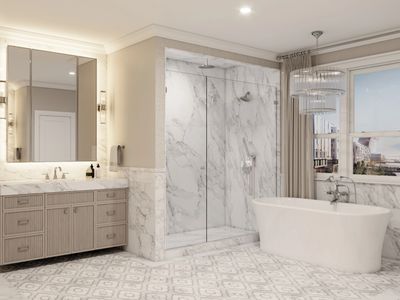
- Ceiling light plus vanity lights on both sides of the mirror.
- Motion-sensor lighting for nighttime visits.
- Keep floors brightly but evenly lit - no harsh reflections on tile.
Additional Tips

- Use non-glare bulbs and diffusers - glare increases fall risk
- Install light switches at each room entrance, ideally, glow-in-the-dark or illuminated toggles.
- Consider smart lights that can be voice-activated or controlled by remot or phone app.
- Regularly dust bulbs and fixtures; a dim light can drop brightness by up to 30% when dusty.
Recommended Products
Coming Soon

Be sure to check out all of our recommended products here!